
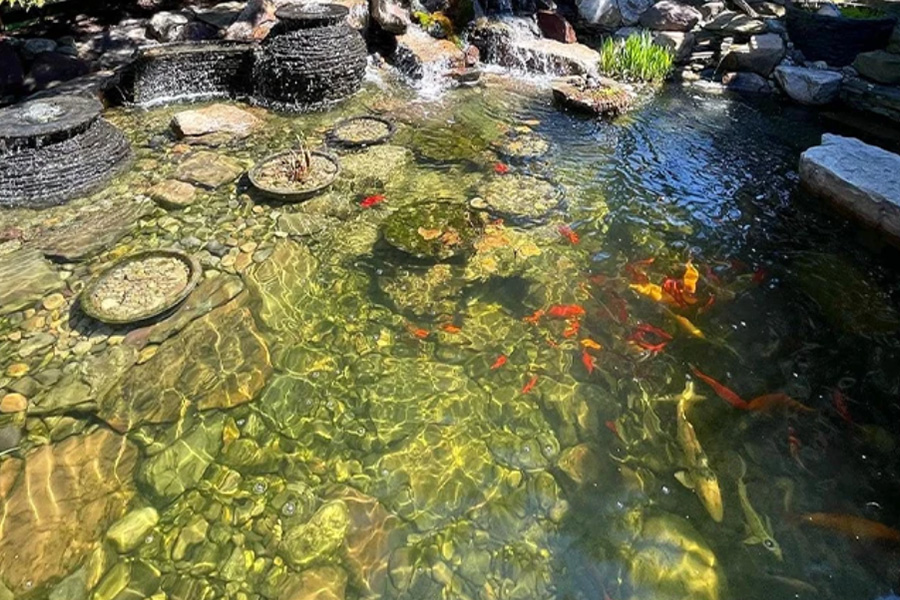
Imagine fish moving gracefully beneath lily pads, the sound of flowing water in the background, and clear, fresh water that feels alive and balanced. This kind of backyard ecosystem is possible when you understand proper pond filtration. A healthy pond is not just decorative—it is a functioning aquatic system that depends on balance, oxygen, and waste management. At the center of this balance is pond filtration, which ensures that water remains clean, stable, and safe for fish and plants throughout the year.
Without a proper system, ponds quickly become overloaded with waste, uneaten food, and organic debris. This leads to poor water quality, algae growth, and stress for aquatic life. Understanding how filtration works is the foundation for creating a low-maintenance, thriving pond ecosystem.
The Importance of Pond Filtration
Pond filtration is responsible for maintaining clean, stable, and oxygen-rich water. Even with plants, fish, and natural aeration, a pond cannot sustain long-term health without a structured filtration system.
When filtration is absent or insufficient, organic waste accumulates at the bottom of the pond. Over time, this decomposition releases harmful compounds into the water, leading to murky conditions and algae outbreaks. Fish become stressed, oxygen levels drop, and the entire ecosystem becomes unstable.
A complete pond filtration system typically includes three core functions: mechanical filtration, biological filtration, and water clarification. Each plays a unique role, and together they create a balanced aquatic environment.
Biological Filtration
Biological filtration is the natural cleaning engine of a pond. It relies on beneficial bacteria that break down harmful waste products in the water. These bacteria convert toxic ammonia from fish waste and decaying matter into nitrites and then into nitrates, which are far less harmful.
Once converted, nitrates are absorbed by aquatic plants or further broken down in low-oxygen areas of the pond. This process helps maintain long-term water stability and prevents dangerous toxin buildup.
Biological filtration is essential because it continuously processes invisible waste that cannot be removed by physical means alone. Without it, even a clean-looking pond can become chemically unstable.
Mechanical Filtration
Mechanical filtration focuses on physically removing solid waste from the water before it breaks down. This includes leaves, debris, uneaten food, and sediment that would otherwise sink and decay.
A mechanical system typically uses skimmers, filter mats, and collection baskets. These components trap debris at the surface or within the water flow, preventing it from affecting water chemistry.
Box-style skimmers are commonly used because they are efficient and easy to maintain. They collect floating debris before it sinks and often house the pond pump, protecting it from clogging and damage.
By removing physical waste early, mechanical filtration reduces strain on the biological system and helps keep the pond visually clean.
Water Clarifiers
Water clarifiers are used to improve clarity by targeting microscopic particles that cannot be captured by mechanical filters. These include algae, bacteria, and other suspended organisms that cause green or cloudy water.
They work by passing water through a chamber where ultraviolet light is applied. This UV exposure disrupts the ability of microorganisms to reproduce, gradually reducing their population in the pond.
While not always necessary for every pond, water clarifiers are especially useful when algae growth becomes persistent or when water clarity is difficult to maintain using filtration alone.
How a Pond Skimmer Works
A pond skimmer is an essential part of mechanical filtration. It performs three key roles: removing floating debris, housing the pump, and directing water flow into the filtration system.
As water enters the skimmer, larger debris is captured in a basket, preventing it from sinking and decomposing. The remaining water passes through filter mats that trap finer particles.
Horizontal filter mats are often preferred because they provide better filtration and require less frequent cleaning. Once filtered, the water is sent onward to the biological filtration stage for further processing.
Biological Filtration as the Heart of the System
After mechanical filtration removes solid waste, biological filtration takes over as the core cleaning process. Water flows through specialized media that provides surface area for beneficial bacteria to grow.
As bacteria colonize the media, they continuously break down dissolved waste compounds. This creates a stable and self-sustaining cycle of water purification.
In many systems, biological filtration is also connected to waterfall features. As water exits the filter and flows downward, it becomes naturally oxygenated. This oxygenation supports both fish health and bacterial activity, reinforcing the entire ecosystem.
Larger ponds may require multiple biological filtration units to handle higher waste loads and maintain balance.
The Science Behind Pond Filtration
Pond filtration is driven by natural biological and chemical processes that work together to maintain water quality. One of the most important elements in this system is ammonia, which is highly toxic to fish even in small amounts.
Through nitrification, beneficial bacteria convert ammonia into nitrites and then into nitrates. This transformation is essential for keeping water safe.
However, oxygen plays a critical role in this process. Without proper water movement and aeration, beneficial bacteria cannot survive. This is why continuous circulation is necessary for a healthy pond.
In low-oxygen areas of the pond, another process helps further reduce nitrates by converting them into harmless nitrogen gas, which escapes into the atmosphere. This completes the natural nitrogen cycle.
The Role of Aquatic Plants
Aquatic plants are a natural extension of pond filtration. They absorb excess nutrients, reduce algae growth, and help stabilize water chemistry.
By competing for nutrients, plants limit the resources available to algae, preventing uncontrolled blooms. They also help filter fine particles and improve overall water clarity.
In addition to their filtration role, aquatic plants provide shade, shelter, and food for fish. This creates a more natural and balanced ecosystem while reducing the need for artificial treatments.
Achieving a Low-Maintenance Pond
A low-maintenance pond is achieved through balance. When mechanical filtration, biological filtration, aeration, and aquatic plants work together, the system becomes largely self-regulating.
Continuous water circulation ensures that waste is processed efficiently, while plants and bacteria maintain nutrient balance. Rocks, gravel, and natural design elements further support this ecosystem by providing surface area for beneficial organisms.
With the right setup, pond maintenance becomes minimal, and water remains clear and stable throughout the year.
Conclusion
Pond filtration is the foundation of every healthy and sustainable pond. By combining mechanical waste removal, biological processing, water clarification, and aquatic plant life, you create a balanced ecosystem that maintains itself with minimal intervention.
Whether you are building a new pond or improving an existing one, understanding these filtration principles is essential. With the right system in place, you can enjoy clear water, healthy fish, and a thriving aquatic environment for years to come.